A watchman lives with alertness woven into his purpose. Scripture uses this image to describe those who stay spiritually awake, attentive to God’s Word, and responsive to His warnings. The prophetic writings remind us that vigilance is not fear-driven—it is faithful stewardship of what God reveals.

Ezekiel received one of the clearest pictures of this role. God told him, “Son of man, I have made thee a watchman unto the house of Israel” (Ezekiel 3:17). A watchman doesn’t control the horizon; he simply stays awake to it. The call is to hear the word at God’s mouth and give warning when needed. This responsibility highlights the seriousness of responding to God’s truth—silence can harm, but faithful speech preserves.
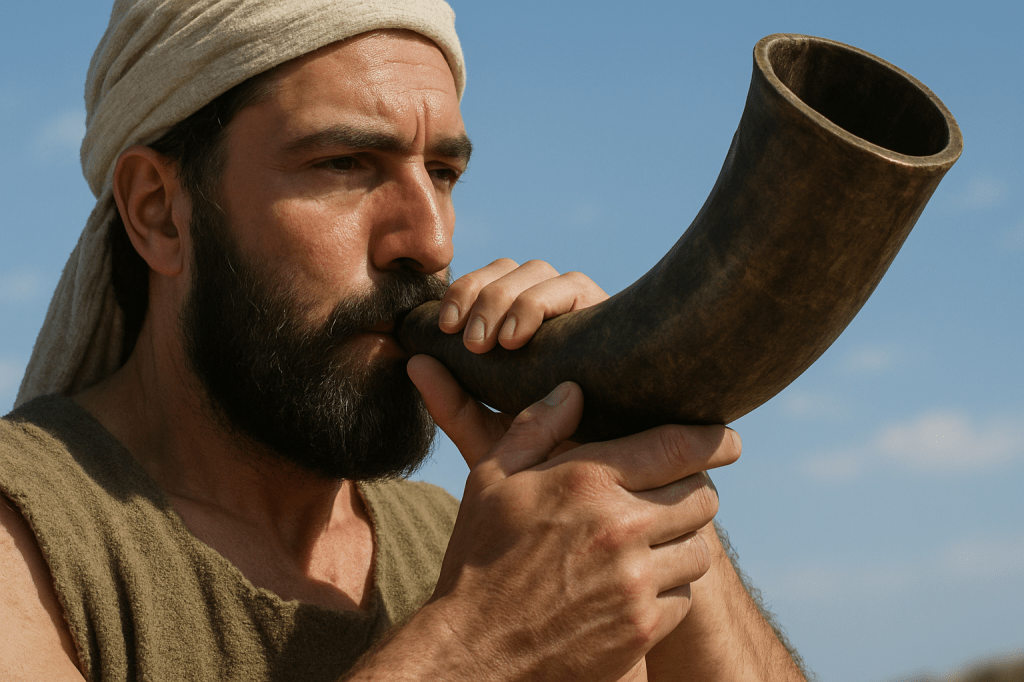
Isaiah adds another layer, showing that watchmen also look for God’s movements, not only danger. “Thy watchmen shall lift up the voice… for they shall see eye to eye, when the LORD shall bring again Zion” (Isaiah 52:8). Here the watchmen rejoice as God restores His people. Spiritual vigilance includes recognizing moments of God’s mercy and redemption, celebrating His work rather than merely scanning for trouble.
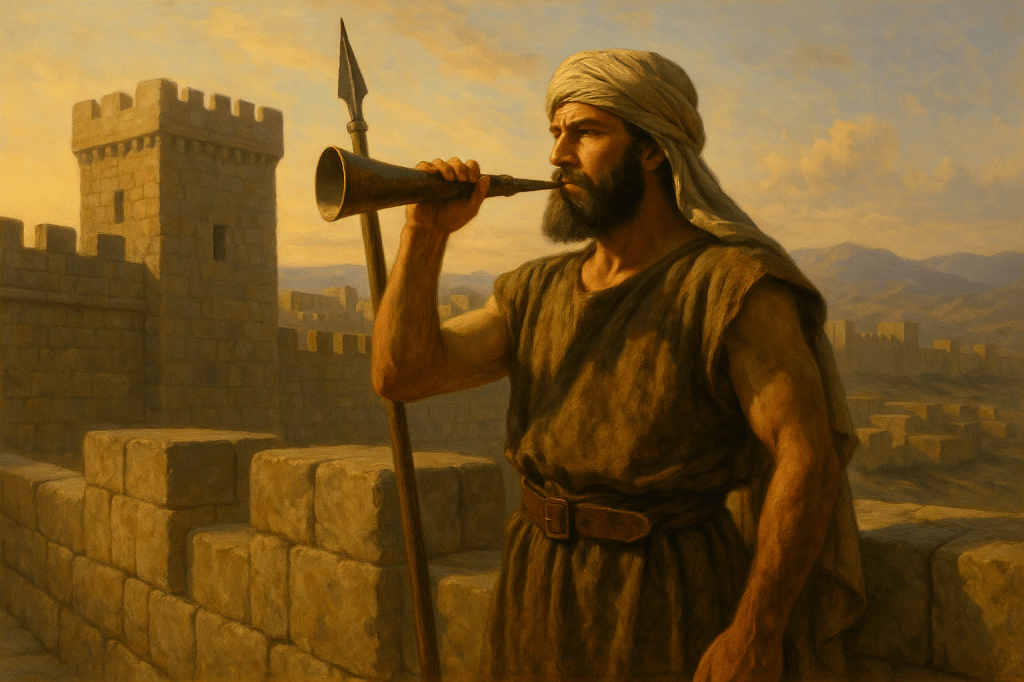
Habakkuk echoes this posture of expectancy: “I will stand upon my watch… and will watch to see what he will say unto me” (Habakkuk 2:1). He waits—not with impatience, but with disciplined attentiveness. In times of uncertainty, the watchman’s stance becomes a symbol of trust. God’s reply assures him that the vision will come in its appointed time, and that the just shall live by faith (Habakkuk 2:3–4).
Takeaway: A watchman’s strength is steady attentiveness—he listens, waits, and responds to God with faithful clarity.
-Terrence Burton