The Beginning of Wisdom

Wisdom isn’t merely accumulated knowledge—it’s the alignment of the heart with God’s truth. Scripture repeatedly reminds us that real understanding grows from reverence, humility, and a willingness to be taught. Wisdom literature invites us to slow down, listen, and let God shape our perspective.

Proverbs opens the door with clarity: “The fear of the LORD is the beginning of wisdom” (Proverbs 9:10). This isn’t fear in the sense of terror, but a deep, steady reverence that places God at the center of our decisions. When the heart bows before Him, the mind becomes receptive to His counsel. Proverbs also reminds us to “trust in the LORD with all thine heart” and not lean on our own understanding (Proverbs 3:5–6). Wisdom grows where trust is rooted.

Ecclesiastes adds another dimension by exposing the limits of human pursuits. Solomon concludes that life’s meaning rests not in achievements but in living with God‑oriented clarity: “Fear God, and keep his commandments: for this is the whole duty of man” (Ecclesiastes 12:13). Wisdom cuts through noise and returns us to what matters. It steadies us when life’s patterns feel uncertain, anchoring the heart in eternal priorities.

Psalm 111 ties wisdom to worship: “A good understanding have all they that do his commandments” (Psalm 111:10). Obedience isn’t mere duty—it’s the rhythm of a life shaped by God’s character. When Scripture directs our steps, wisdom becomes lived experience rather than abstract principle. Over time, these steady practices form strong neural pathways of discernment, shaping how we respond to challenges and opportunities alike.

Takeaway: Wisdom begins with a heart that reverences God and grows as His Word guides everyday choices.

— Terrence Burton

The Voice in the Wilderness

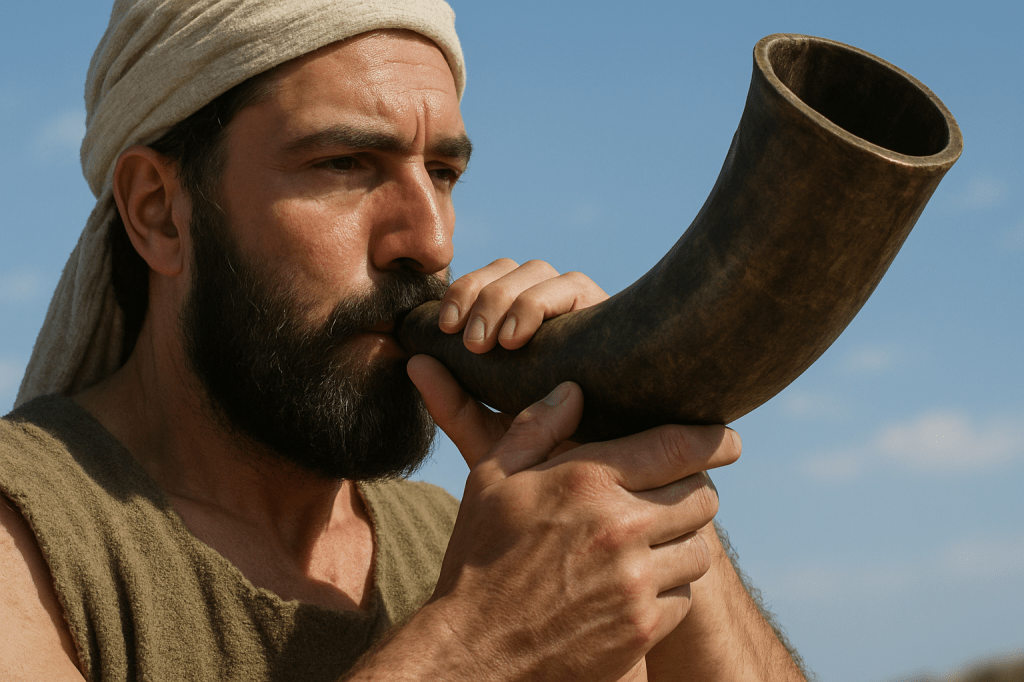
A prophetic word doesn’t always arrive in crowded places. Sometimes it comes in the quiet, in the empty spaces where distractions fall away and the heart can finally hear. Scripture often takes God’s messengers into wilderness settings—not to isolate them, but to clarify what must be spoken.

Isaiah presents a striking image: “The voice of him that crieth in the wilderness, Prepare ye the way of the LORD” (Isaiah 40:3). The wilderness becomes a stage for revelation—a place where God’s message cuts through the noise of nations and calls people back to readiness. Prophetic clarity often rises from simplicity, where everything unnecessary is stripped away. Later, Malachi echoes this message with the promise of one who would prepare the way, a messenger sent before the Lord (Malachi 3:1).

John the Baptist steps into this lineage with absolute focus. The Gospels describe him as “the voice of one crying in the wilderness” (John 1:23). His surroundings matched his message—raw, unfiltered, urgent. Yet people from all walks of life went out to hear him, drawn not by comfort but by truth. The wilderness sharpened his calling and removed the illusions that often cloud spiritual sight.

Even Elijah discovered revelation in solitude. After the dramatic events on Carmel, he found himself in a cave on Horeb, exhausted and overwhelmed. There the Lord passed by—not in the wind, earthquake, or fire, but in “a still small voice” (1 Kings 19:12). The prophetic word wasn’t diminished in quietness; it was distilled. God often uses the wilderness to refine both the messenger and the message.

Prophetic moments still arrive this way. They come when distractions fall silent, when the heart is stripped of pretense, when the path feels barren but the presence of God is near. The wilderness may look empty, but in Scripture it’s where vision often becomes clearest.

Takeaway: Wilderness seasons sharpen spiritual hearing, allowing God’s voice to cut through the noise with clarity and purpose.

— Terrence Burton

The Watchman’s Call

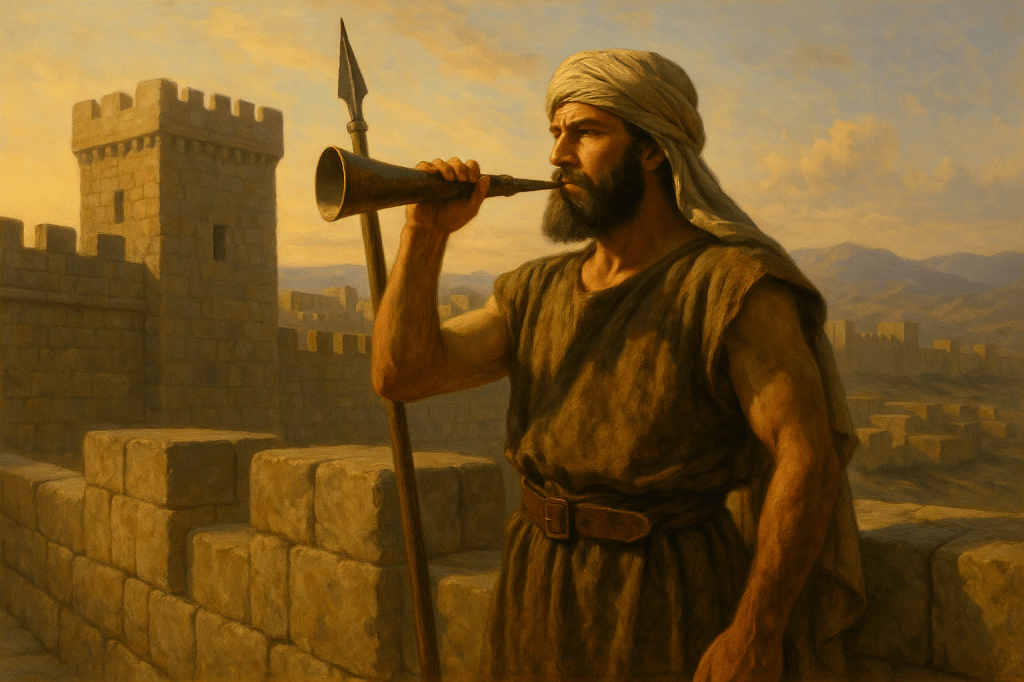
A watchman lives with alertness woven into his purpose. Scripture uses this image to describe those who stay spiritually awake, attentive to God’s Word, and responsive to His warnings. The prophetic writings remind us that vigilance is not fear-driven—it is faithful stewardship of what God reveals.

Ezekiel received one of the clearest pictures of this role. God told him, “Son of man, I have made thee a watchman unto the house of Israel” (Ezekiel 3:17). A watchman doesn’t control the horizon; he simply stays awake to it. The call is to hear the word at God’s mouth and give warning when needed. This responsibility highlights the seriousness of responding to God’s truth—silence can harm, but faithful speech preserves.

Isaiah adds another layer, showing that watchmen also look for God’s movements, not only danger. “Thy watchmen shall lift up the voice… for they shall see eye to eye, when the LORD shall bring again Zion” (Isaiah 52:8). Here the watchmen rejoice as God restores His people. Spiritual vigilance includes recognizing moments of God’s mercy and redemption, celebrating His work rather than merely scanning for trouble.

Habakkuk echoes this posture of expectancy: “I will stand upon my watch… and will watch to see what he will say unto me” (Habakkuk 2:1). He waits—not with impatience, but with disciplined attentiveness. In times of uncertainty, the watchman’s stance becomes a symbol of trust. God’s reply assures him that the vision will come in its appointed time, and that the just shall live by faith (Habakkuk 2:3–4).

Takeaway: A watchman’s strength is steady attentiveness—he listens, waits, and responds to God with faithful clarity.

-Terrence Burton

When the Lord Directs Your Path

When Scripture speaks of God’s guidance, it does not describe a loud command but a steady, faithful leading. His direction is often quiet, yet unmistakable to the heart that listens.

The psalmist declares, “He leadeth me beside the still waters” (Psalm 23:2, KJV), reminding us that divine direction begins with divine peace. God does not rush His people; He steadies them. The prophet Isaiah echoes this assurance: “Thine ears shall hear a word behind thee, saying, This is the way, walk ye in it” (Isaiah 30:21). Guidance is not merely about where to go but about whom we follow.

David also writes, “The steps of a good man are ordered by the Lord” (Psalm 37:23). God’s ordering is not mechanical; it is relational. It forms a neural pathway of trust as we learn to walk with Him daily. The early church lived this truth when the Spirit redirected Paul away from Asia and toward Macedonia (Acts 16:6–10). Even closed doors are part of His leading.

For those seeking the will of God today, Scripture gives a clear starting point: “In all thy ways acknowledge him, and he shall direct thy paths” (Proverbs 3:6). Guidance is not primarily about signs—it is about submission. When we yield our plans, desires, and timing, God aligns our steps with His purpose.

Takeaway: God guides those who walk with Him, one obedient step at a time.

— Terrence Burton