The Beginning of Wisdom

Wisdom isn’t merely accumulated knowledge—it’s the alignment of the heart with God’s truth. Scripture repeatedly reminds us that real understanding grows from reverence, humility, and a willingness to be taught. Wisdom literature invites us to slow down, listen, and let God shape our perspective.
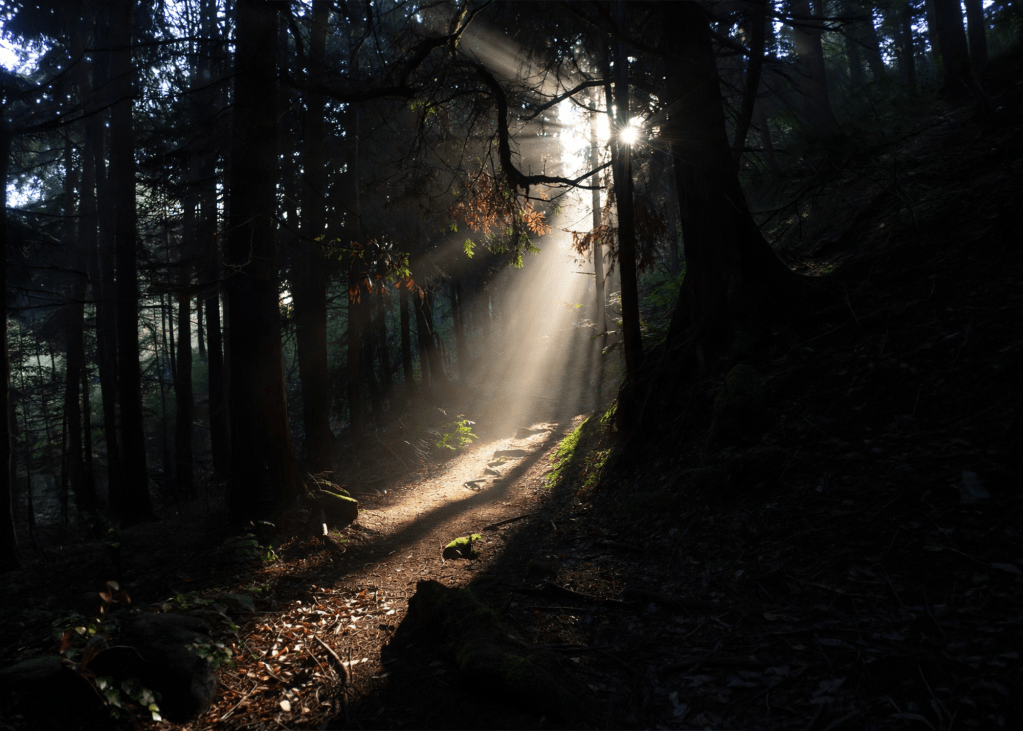
Proverbs opens the door with clarity: “The fear of the LORD is the beginning of wisdom” (Proverbs 9:10). This isn’t fear in the sense of terror, but a deep, steady reverence that places God at the center of our decisions. When the heart bows before Him, the mind becomes receptive to His counsel. Proverbs also reminds us to “trust in the LORD with all thine heart” and not lean on our own understanding (Proverbs 3:5–6). Wisdom grows where trust is rooted.

Ecclesiastes adds another dimension by exposing the limits of human pursuits. Solomon concludes that life’s meaning rests not in achievements but in living with God‑oriented clarity: “Fear God, and keep his commandments: for this is the whole duty of man” (Ecclesiastes 12:13). Wisdom cuts through noise and returns us to what matters. It steadies us when life’s patterns feel uncertain, anchoring the heart in eternal priorities.

Psalm 111 ties wisdom to worship: “A good understanding have all they that do his commandments” (Psalm 111:10). Obedience isn’t mere duty—it’s the rhythm of a life shaped by God’s character. When Scripture directs our steps, wisdom becomes lived experience rather than abstract principle. Over time, these steady practices form strong neural pathways of discernment, shaping how we respond to challenges and opportunities alike.

Takeaway: Wisdom begins with a heart that reverences God and grows as His Word guides everyday choices.

— Terrence Burton

Walking in the Light

The path of discipleship is rarely dramatic; it’s a quiet, steady walk shaped by daily choices. Scripture describes this journey as walking in the light—living with clarity, honesty, and a heart aligned with God’s ways. The light doesn’t just reveal where to step; it transforms the one who follows it.

John’s words are foundational: “If we walk in the light, as he is in the light, we have fellowship one with another” (1 John 1:7). Walking in the light is not merely moral clarity—it’s relational clarity. It strengthens unity, reduces hiddenness, and anchors fellowship in truth. Light naturally exposes what darkness hides, yet Scripture presents this exposure as healing rather than harsh.

Psalm 119 reinforces how the Word guides this walk: “Thy word is a lamp unto my feet, and a light unto my path” (Psalm 119:105). Lamps of the ancient world didn’t illuminate miles ahead; they lit only the next step. Discipleship works the same way. God shapes the journey one obedient moment at a time, building a stronger neural pathway for faithfulness with each decision.

Paul’s counsel to the Ephesians brings a practical edge: “Walk as children of light” (Ephesians 5:8). This walk involves discernment—choosing what aligns with truth and stepping away from what dims spiritual clarity. He adds, “See then that ye walk circumspectly, not as fools, but as wise” (Ephesians 5:15). Wisdom keeps the believer aware, alert, and intentional.

Jesus describes discipleship as a path where “he that followeth me shall not walk in darkness” (John 8:12). Light is not something the disciple produces—it is something received. It becomes a steady direction, not dependent on feelings or circumstances.

Walking in the light doesn’t remove difficulty, but it removes aimlessness. It turns the ordinary steps of life into a deliberate journey shaped by truth, clarity, and consistent obedience.

Takeaway: Discipleship grows through steady, daily steps in the light, guided by Scripture and grounded in truth.

— Terrence Burton

Rest for the Weary Soul

In a world that rarely slows down, the Scriptures invite us into a deeper kind of rest—one rooted not in inactivity but in worshipful trust. The Psalms and the Gospels show that rest is found where the presence of God becomes the focus of the heart. On this quiet Sunday morning, the Word calls us to pause, breathe, and remember who holds our days.

The Psalms often tie worship to rest. David writes, “Return unto thy rest, O my soul; for the LORD hath dealt bountifully with thee” (Psalm 116:7). Rest begins with remembrance—calling the soul back from fear, hurry, or heaviness and anchoring it in the goodness of God. The psalmist also declares, “He maketh me to lie down in green pastures: he leadeth me beside the still waters” (Psalm 23:2). These images are not sentimental; they are testimonies of a Shepherd who actively guides His people into peace even in unsettled seasons.

Jesus reinforces this invitation when He says, “Come unto me, all ye that labour and are heavy laden, and I will give you rest” (Matthew 11:28). His call is not to effort but to openness—to lay down the burdens we carry and take up His gentler, lighter way. In Mark’s Gospel, even the disciples needed this reminder. After a season of ministry, Jesus tells them, “Come ye yourselves apart into a desert place, and rest a while” (Mark 6:31). Rest is not optional; it is commanded compassion.

Sabbath-like rest is more than stopping activity—it is reorienting the heart. Psalm 62 captures this beautifully: “Truly my soul waiteth upon God: from him cometh my salvation” (Psalm 62:1). Waiting becomes worship when trust deepens. In quiet places—whether physical or internal—the soul learns again that God is enough, present, and sustaining.

Today offers that invitation: to step back, lift our eyes, and let the Word settle our spirits. Worship becomes rest. Rest becomes strength.

Takeaway: True rest flows from worship—returning the heart to the God who restores, steadies, and renews.

— Terrence Burton