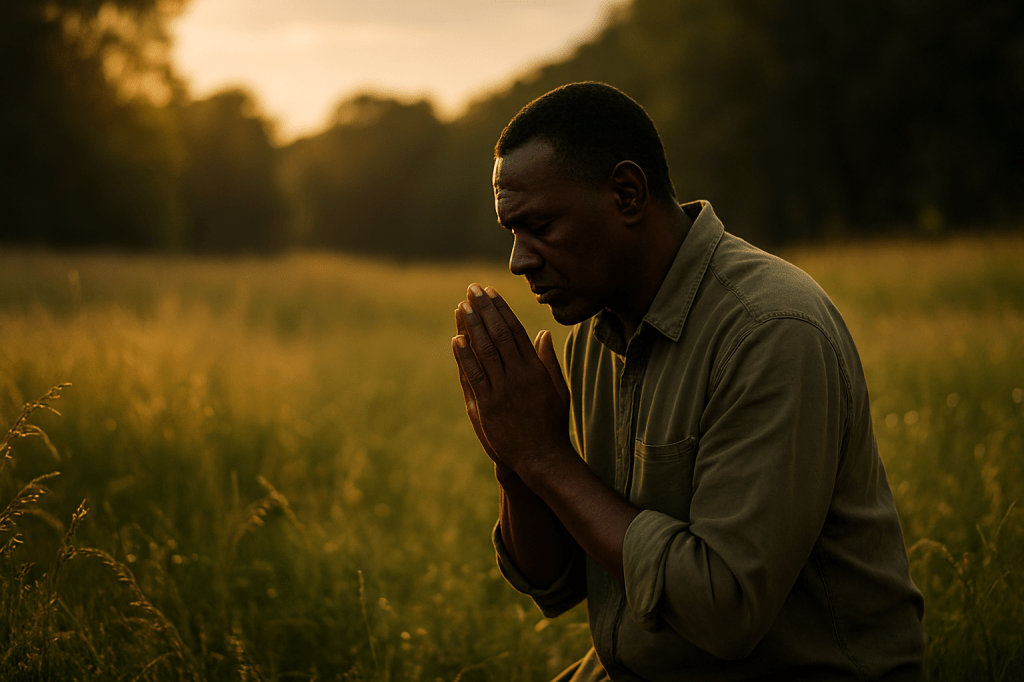
Walking in the Light

The path of discipleship is rarely dramatic; it’s a quiet, steady walk shaped by daily choices. Scripture describes this journey as walking in the light—living with clarity, honesty, and a heart aligned with God’s ways. The light doesn’t just reveal where to step; it transforms the one who follows it.

John’s words are foundational: “If we walk in the light, as he is in the light, we have fellowship one with another” (1 John 1:7). Walking in the light is not merely moral clarity—it’s relational clarity. It strengthens unity, reduces hiddenness, and anchors fellowship in truth. Light naturally exposes what darkness hides, yet Scripture presents this exposure as healing rather than harsh.

Psalm 119 reinforces how the Word guides this walk: “Thy word is a lamp unto my feet, and a light unto my path” (Psalm 119:105). Lamps of the ancient world didn’t illuminate miles ahead; they lit only the next step. Discipleship works the same way. God shapes the journey one obedient moment at a time, building a stronger neural pathway for faithfulness with each decision.

Paul’s counsel to the Ephesians brings a practical edge: “Walk as children of light” (Ephesians 5:8). This walk involves discernment—choosing what aligns with truth and stepping away from what dims spiritual clarity. He adds, “See then that ye walk circumspectly, not as fools, but as wise” (Ephesians 5:15). Wisdom keeps the believer aware, alert, and intentional.

Jesus describes discipleship as a path where “he that followeth me shall not walk in darkness” (John 8:12). Light is not something the disciple produces—it is something received. It becomes a steady direction, not dependent on feelings or circumstances.

Walking in the light doesn’t remove difficulty, but it removes aimlessness. It turns the ordinary steps of life into a deliberate journey shaped by truth, clarity, and consistent obedience.

Takeaway: Discipleship grows through steady, daily steps in the light, guided by Scripture and grounded in truth.

— Terrence Burton

Strengthened in the Inner Man

Every believer faces moments where outward circumstances feel heavier than inward strength. Paul understood this tension well, and his epistles often point us toward a deeper well of spiritual resilience—one built not on emotion, but on the steady work of God within.

In Ephesians, Paul prays that believers would be “strengthened with might by his Spirit in the inner man” (Ephesians 3:16). That phrase captures something essential: true endurance begins where no one else can see. Outward pressures may push hard, but inner renewal keeps the soul steady. The Spirit forms a grounded stability that circumstances cannot easily shake.

Paul echoes this again when he writes, “Though our outward man perish, yet the inward man is renewed day by day” (2 Corinthians 4:16). Renewal isn’t occasional—it’s continual. Just as the body requires daily sustenance, the inner life requires ongoing attention through Scripture, prayer, and quiet moments of realignment. These daily practices form a strong neural pathway of dependence on God rather than on shifting emotions or external conditions.

Colossians adds another layer by reminding believers to “set your affection on things above, not on things on the earth” (Colossians 3:2). Strength in the inner man grows when the mind is lifted beyond temporary frustrations and anchored in eternal realities. Even in difficulty, the believer can walk with clarity because the heart is tethered to truth.

Peter reinforces this inward focus, describing “the hidden man of the heart,” which is “in the sight of God of great price” (1 Peter 3:4). God values what cannot be polished or faked—the quiet character formed through trust and endurance. That unseen strength becomes a stabilizing force, shaping how we respond to pressure, temptation, and uncertainty.

Takeaway: Inner strength is cultivated daily by the Spirit, forming a steady resilience that stands firm regardless of outward circumstances.

— Terrence Burton

Rest for the Weary Soul

In a world that rarely slows down, the Scriptures invite us into a deeper kind of rest—one rooted not in inactivity but in worshipful trust. The Psalms and the Gospels show that rest is found where the presence of God becomes the focus of the heart. On this quiet Sunday morning, the Word calls us to pause, breathe, and remember who holds our days.

The Psalms often tie worship to rest. David writes, “Return unto thy rest, O my soul; for the LORD hath dealt bountifully with thee” (Psalm 116:7). Rest begins with remembrance—calling the soul back from fear, hurry, or heaviness and anchoring it in the goodness of God. The psalmist also declares, “He maketh me to lie down in green pastures: he leadeth me beside the still waters” (Psalm 23:2). These images are not sentimental; they are testimonies of a Shepherd who actively guides His people into peace even in unsettled seasons.

Jesus reinforces this invitation when He says, “Come unto me, all ye that labour and are heavy laden, and I will give you rest” (Matthew 11:28). His call is not to effort but to openness—to lay down the burdens we carry and take up His gentler, lighter way. In Mark’s Gospel, even the disciples needed this reminder. After a season of ministry, Jesus tells them, “Come ye yourselves apart into a desert place, and rest a while” (Mark 6:31). Rest is not optional; it is commanded compassion.

Sabbath-like rest is more than stopping activity—it is reorienting the heart. Psalm 62 captures this beautifully: “Truly my soul waiteth upon God: from him cometh my salvation” (Psalm 62:1). Waiting becomes worship when trust deepens. In quiet places—whether physical or internal—the soul learns again that God is enough, present, and sustaining.

Today offers that invitation: to step back, lift our eyes, and let the Word settle our spirits. Worship becomes rest. Rest becomes strength.

Takeaway: True rest flows from worship—returning the heart to the God who restores, steadies, and renews.

— Terrence Burton

How Faith Fuels Restoration

Every generation faces moments that demand courage and clarity. Nehemiah stepped into such a moment when he heard the report of Jerusalem’s broken walls. His response wasn’t panic—it was prayer, steady leadership, and fixed determination.

Nehemiah’s story begins with a burden that became a calling. When he learned that the remnant in Jerusalem was in “great affliction and reproach,” and that the walls were broken down, he fasted and prayed before acting (Nehemiah 1:3–4). His leadership flowed from communion with God rather than impulse. Throughout the rebuilding, Nehemiah returned repeatedly to prayer—whether facing threats, discouragement, or internal strife. His confidence was not rooted in his position but in the God who strengthens the hands of the willing (Nehemiah 2:18).

Opposition came quickly. Sanballat, Tobiah, and others tried mockery, conspiracy, and fear to halt the work. Yet Nehemiah stayed the course, reminding the people, “Be not ye afraid… remember the Lord, which is great and terrible” (Nehemiah 4:14). The people adapted—working with one hand and holding a weapon with the other. This blend of vigilance and faith paints a vivid picture of discipleship: trusting God fully while engaging the task faithfully.

The work was completed in fifty‑two days, a testimony not to human efficiency but divine favor. Nehemiah acknowledged openly that this accomplishment was wrought by God’s help (Nehemiah 6:16). When the walls stood firm again, the people gathered to hear the Law, renewing their hearts as well as their city (Nehemiah 8:1–3). Restoration was holistic—structural and spiritual.

Takeaway: God strengthens the hands of those who rise to rebuild what is broken.

The Wisdom of Humility

In a world driven by achievement and visibility, humility often feels counterintuitive. Yet Scripture consistently lifts it as a gateway to wisdom, strength, and deeper fellowship with God.

Humility isn’t self‑neglect—it’s clear‑sightedness. It recognizes God as the source of strength and allows us to walk with a steadier spirit. Proverbs reminds us that “before honour is humility” (Proverbs 15:33), pointing us toward a life shaped not by pride, but by a grounded awareness of our dependence on the Lord.

We see this modeled vividly in the life of Moses. Despite leading Israel through impossible challenges, Scripture calls him “very meek, above all the men which were upon the face of the earth” (Numbers 12:3). His humility didn’t weaken his leadership—it amplified God’s power through him. When we embrace humility, we create space for God to work beyond our limitations, echoing the truth of James 4:6, that God “giveth grace unto the humble” (James 4:6).

Paul’s teaching adds another layer: humility shapes how we treat others. In Philippians, we’re urged to “esteem other better than themselves” (Philippians 2:3). This isn’t about lowering our worth—it’s about raising our awareness of the value God places on every person. Humility becomes a practical discipleship tool, aligning our relationships with Christlike love and patience.

Ultimately, choosing humility is choosing wisdom. It opens our hearts to correction, deepens our trust in the Lord, and keeps us anchored when pride tries to push us off course. As Peter wrote, “Humble yourselves therefore under the mighty hand of God, that he may exalt you in due time” (1 Peter 5:6).

Takeaway: Humility opens the door for God’s wisdom and strength to shape your life.

-Terrence Burton