A prophetic word doesn’t always arrive in crowded places. Sometimes it comes in the quiet, in the empty spaces where distractions fall away and the heart can finally hear. Scripture often takes God’s messengers into wilderness settings—not to isolate them, but to clarify what must be spoken.

Isaiah presents a striking image: “The voice of him that crieth in the wilderness, Prepare ye the way of the LORD” (Isaiah 40:3). The wilderness becomes a stage for revelation—a place where God’s message cuts through the noise of nations and calls people back to readiness. Prophetic clarity often rises from simplicity, where everything unnecessary is stripped away. Later, Malachi echoes this message with the promise of one who would prepare the way, a messenger sent before the Lord (Malachi 3:1).
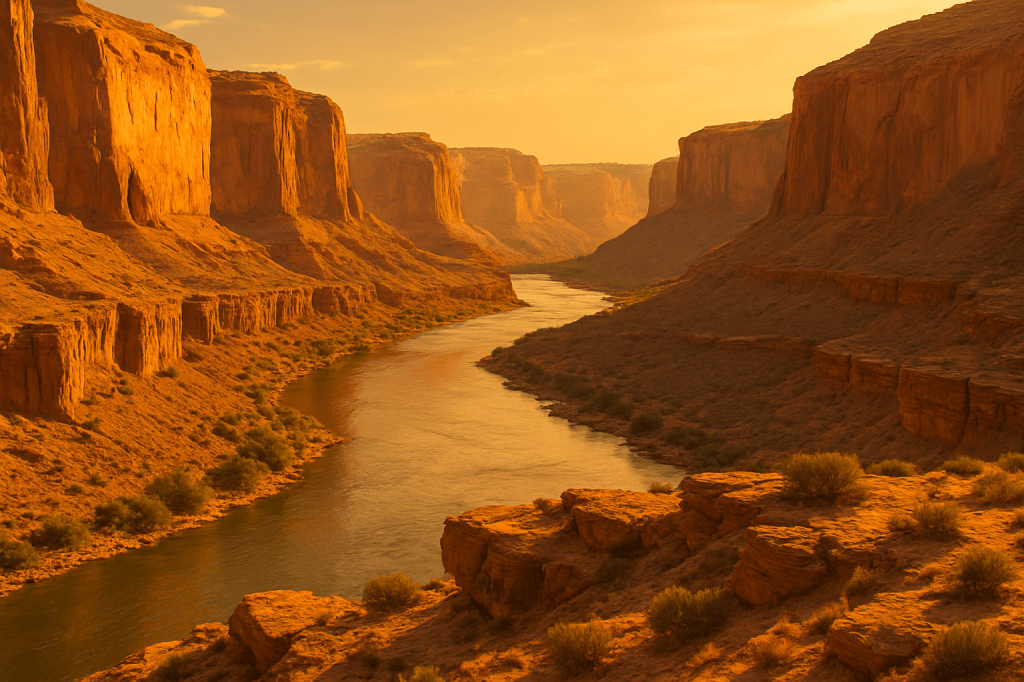
John the Baptist steps into this lineage with absolute focus. The Gospels describe him as “the voice of one crying in the wilderness” (John 1:23). His surroundings matched his message—raw, unfiltered, urgent. Yet people from all walks of life went out to hear him, drawn not by comfort but by truth. The wilderness sharpened his calling and removed the illusions that often cloud spiritual sight.

Even Elijah discovered revelation in solitude. After the dramatic events on Carmel, he found himself in a cave on Horeb, exhausted and overwhelmed. There the Lord passed by—not in the wind, earthquake, or fire, but in “a still small voice” (1 Kings 19:12). The prophetic word wasn’t diminished in quietness; it was distilled. God often uses the wilderness to refine both the messenger and the message.
Prophetic moments still arrive this way. They come when distractions fall silent, when the heart is stripped of pretense, when the path feels barren but the presence of God is near. The wilderness may look empty, but in Scripture it’s where vision often becomes clearest.
Takeaway: Wilderness seasons sharpen spiritual hearing, allowing God’s voice to cut through the noise with clarity and purpose.
— Terrence Burton