The Voice in the Wilderness

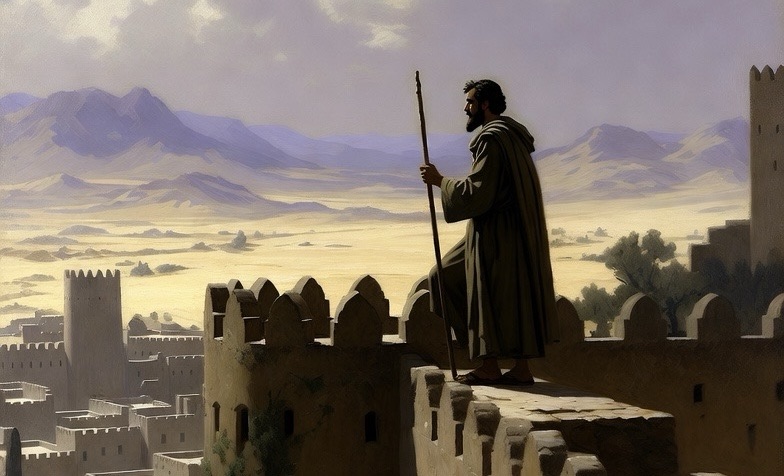
A prophetic word doesn’t always arrive in crowded places. Sometimes it comes in the quiet, in the empty spaces where distractions fall away and the heart can finally hear. Scripture often takes God’s messengers into wilderness settings—not to isolate them, but to clarify what must be spoken.

Isaiah presents a striking image: “The voice of him that crieth in the wilderness, Prepare ye the way of the LORD” (Isaiah 40:3). The wilderness becomes a stage for revelation—a place where God’s message cuts through the noise of nations and calls people back to readiness. Prophetic clarity often rises from simplicity, where everything unnecessary is stripped away. Later, Malachi echoes this message with the promise of one who would prepare the way, a messenger sent before the Lord (Malachi 3:1).

John the Baptist steps into this lineage with absolute focus. The Gospels describe him as “the voice of one crying in the wilderness” (John 1:23). His surroundings matched his message—raw, unfiltered, urgent. Yet people from all walks of life went out to hear him, drawn not by comfort but by truth. The wilderness sharpened his calling and removed the illusions that often cloud spiritual sight.

Even Elijah discovered revelation in solitude. After the dramatic events on Carmel, he found himself in a cave on Horeb, exhausted and overwhelmed. There the Lord passed by—not in the wind, earthquake, or fire, but in “a still small voice” (1 Kings 19:12). The prophetic word wasn’t diminished in quietness; it was distilled. God often uses the wilderness to refine both the messenger and the message.

Prophetic moments still arrive this way. They come when distractions fall silent, when the heart is stripped of pretense, when the path feels barren but the presence of God is near. The wilderness may look empty, but in Scripture it’s where vision often becomes clearest.

Takeaway: Wilderness seasons sharpen spiritual hearing, allowing God’s voice to cut through the noise with clarity and purpose.

— Terrence Burton
When God Interrupts the Ordinary

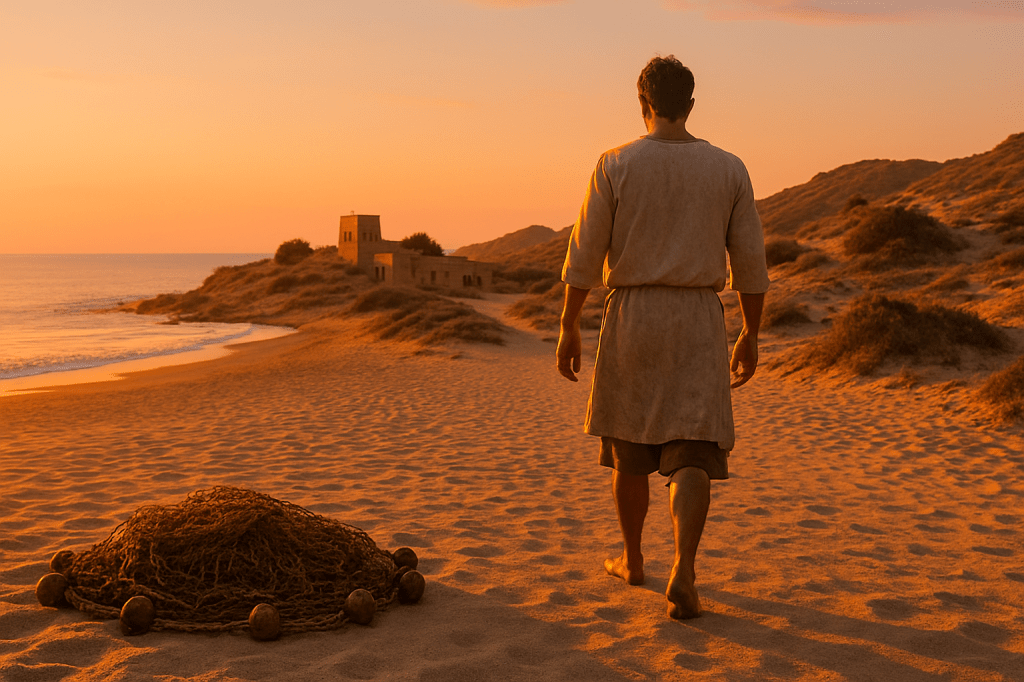
Every move of God in the Gospels begins with a simple invitation: follow. That word reshaped ordinary lives—fishermen, tax collectors, and seekers alike—pulling them into a story far larger than their daily routines. The call still reaches across time with the same purpose: to draw hearts into obedience, trust, and transformation.

When the fishermen of Galilee heard the summons, they responded immediately. Scripture records that they “straightway left their nets, and followed him” (Matthew 4:20). Their livelihoods, identities, and familiar rhythms were tied to those nets, yet something in the call awakened deeper purpose. Luke adds a striking detail: “they forsook all, and followed him” (Luke 5:11). Following began with surrender—letting go so they could step forward.

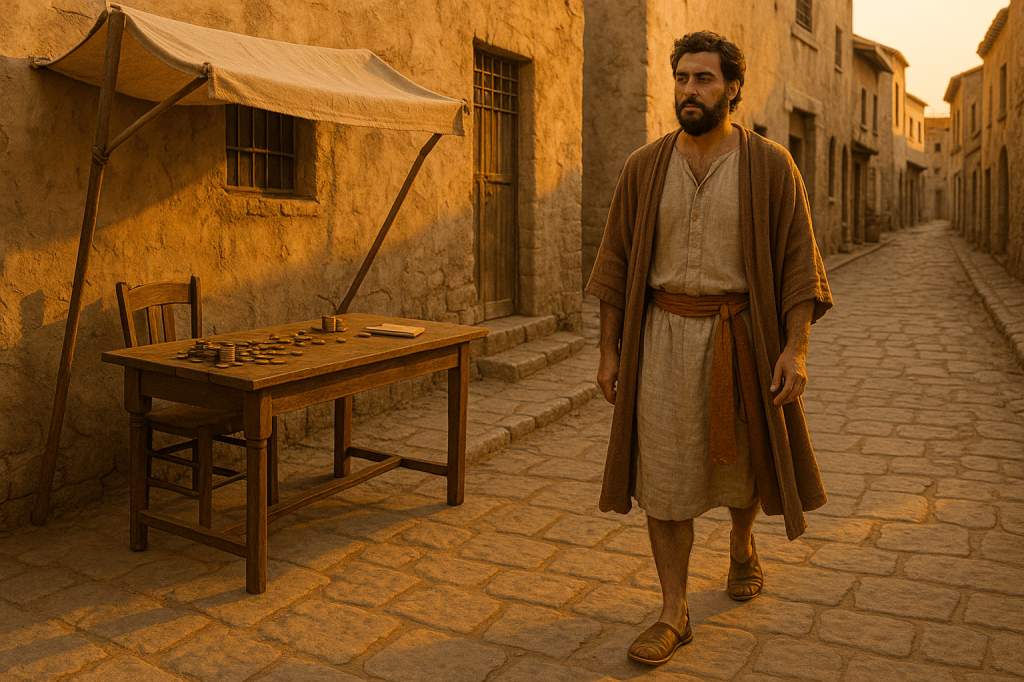
The pattern appears again when Jesus passes by the receipt of custom. Matthew, sitting in the middle of his work, rises at the invitation and begins a new life in a single verse (Matthew 9:9). The Gospels show that the call rarely comes in convenient moments. It interrupts, redirects, and redefines. But it always leads toward clarity. Acts continues this theme as the early believers devote themselves “stedfastly” to the apostles’ doctrine, fellowship, and prayer (Acts 2:42). Following isn’t just a beginning—it’s a way of life.

The beauty of this call lies in its simplicity. No prerequisites, no résumé, no qualifications. Just willingness. The same invitation echoes today, not in audible words from a shoreline, but in Scripture shaping choices, in conviction nudging the heart, and in opportunities requiring courage. Every “yes” forms a stronger neural pathway of obedience, making the next step steadier than the last.

Takeaway: The call to follow is simple, but it reshapes everything—inviting the heart into a life of steady surrender and growing obedience.

-Terrence Burton

The Watchman’s Call

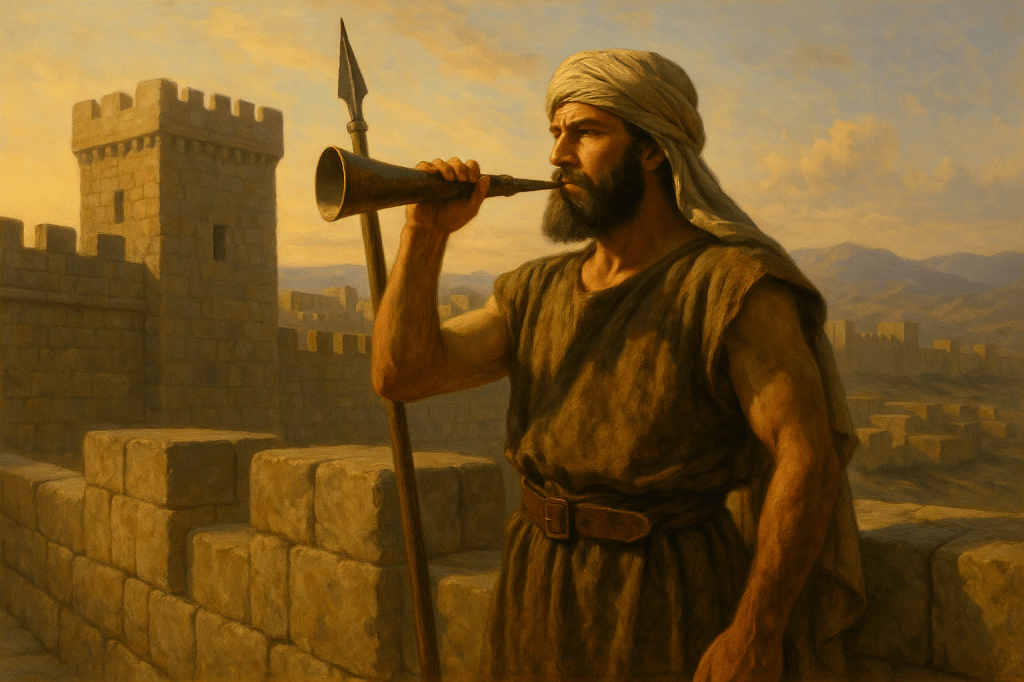
A watchman lives with alertness woven into his purpose. Scripture uses this image to describe those who stay spiritually awake, attentive to God’s Word, and responsive to His warnings. The prophetic writings remind us that vigilance is not fear-driven—it is faithful stewardship of what God reveals.

Ezekiel received one of the clearest pictures of this role. God told him, “Son of man, I have made thee a watchman unto the house of Israel” (Ezekiel 3:17). A watchman doesn’t control the horizon; he simply stays awake to it. The call is to hear the word at God’s mouth and give warning when needed. This responsibility highlights the seriousness of responding to God’s truth—silence can harm, but faithful speech preserves.

Isaiah adds another layer, showing that watchmen also look for God’s movements, not only danger. “Thy watchmen shall lift up the voice… for they shall see eye to eye, when the LORD shall bring again Zion” (Isaiah 52:8). Here the watchmen rejoice as God restores His people. Spiritual vigilance includes recognizing moments of God’s mercy and redemption, celebrating His work rather than merely scanning for trouble.

Habakkuk echoes this posture of expectancy: “I will stand upon my watch… and will watch to see what he will say unto me” (Habakkuk 2:1). He waits—not with impatience, but with disciplined attentiveness. In times of uncertainty, the watchman’s stance becomes a symbol of trust. God’s reply assures him that the vision will come in its appointed time, and that the just shall live by faith (Habakkuk 2:3–4).

Takeaway: A watchman’s strength is steady attentiveness—he listens, waits, and responds to God with faithful clarity.

-Terrence Burton

Steadfast Hope

Hope isn’t a vague feeling in Scripture—it’s an anchor. The early church clung to it when surrounded by pressures, uncertainties, and trials. Paul consistently tied hope to the character of God, not the condition of life.

The Epistle to the Hebrews describes hope as “an anchor of the soul, both sure and stedfast” (Hebrews 6:19). Anchors matter most when waters grow violent, and Christian hope shines brightest when circumstances darken. This hope is grounded in God’s unchanging promise, confirmed by His oath, and demonstrated in His faithfulness through generations. Paul reinforces this foundation, urging believers to “rejoice in hope; patient in tribulation” (Romans 12:12). Hope fuels endurance.

Peter adds a practical edge, calling believers to be ready to explain the reason for their hope with meekness and fear (1 Peter 3:15). Hope is visible. It shapes perspective. It steadies reactions. It influences choices. When believers demonstrate calm courage in adversity, they testify to the strength of the One who holds them fast. And in seasons of delay, hope guards the heart from the drift toward discouragement.

Paul again emphasizes that “we are saved by hope” and that hope seen is not hope at all (Romans 8:24–25). Hope looks forward, trusting that God is at work even when the present feels incomplete. It trains the believer’s attention toward what God has promised rather than what circumstances suggest. Hope isn’t naive optimism—it’s a steady confidence in God’s outcome.

Takeaway: Hope anchored in God keeps the soul steady when everything else shifts.

-Terrence Burton

Rest in God’s Presence

Rest is more than a pause from labor—it is a returning of the soul to its Source. Scripture paints rest not merely as inactivity, but as a settled confidence in the God who holds all things. On a Sunday morning, the call to rest becomes an invitation to breathe deeply of God’s presence.

The Psalms open this theme with honesty and beauty. David declares, “Truly my soul waiteth upon God: from him cometh my salvation” (Psalm 62:1). Rest begins with waiting—not passively, but with expectation rooted in trust. Psalm 23 continues the picture with quiet waters and restored souls, revealing that rest is something God actively provides, guiding His people toward renewal (Psalm 23:2–3). On days set apart for worship, these reminders reset the heart, realigning our focus with God’s steady care.

Jesus echoed this rhythm of rest throughout His earthly ministry. His words remain central: “Come unto me, all ye that labour and are heavy laden, and I will give you rest” (Matthew 11:28). This is not rest earned, but rest received. The Gospels show Him withdrawing to solitary places, modeling the need for silence and prayer even in the midst of heavy demands (Mark 1:35). Rest becomes a spiritual discipline—one that deepens dependence and clears the mind to hear God more clearly.

Rest also carries the promise of protection. “He that dwelleth in the secret place of the most High shall abide under the shadow of the Almighty” (Psalm 91:1). To abide under God’s shadow is to let His presence become shelter. Rest, then, is not simply stepping back from activity but stepping into the assurance that God is active even when we are still. True Sunday rest acknowledges His sovereignty—recognizing that not everything depends on our efforts.

Takeaway: Rest is God’s gift, restoring the soul and anchoring the heart in His faithful presence.

-Terrence Burton